


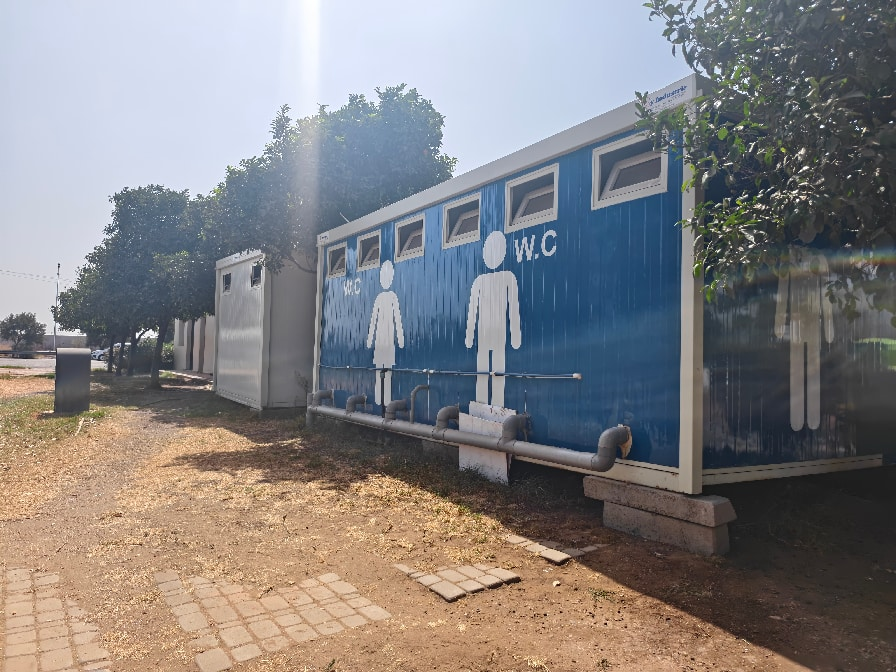
Movable public facility toilet
What I Noticed About Housing in Morocco During My Business Trip
I came to Morocco for a business trip with a simple goal: to learn more about the local construction and housing market.
Before coming here, I had already read quite a lot about Morocco’s construction industry. I had looked at housing projects, building materials, real estate development and the potential for modular construction.
But being here is different from reading about the country from a computer.
Walking through different areas, visiting construction-related businesses and looking at buildings in person, I started noticing many small details that are difficult to understand from market reports alone.
One of them was something I honestly did not expect to pay much attention to: bathrooms and toilet facilities.
A Small Observation That Made Me Think
During my time in Morocco, I noticed that independent public toilet facilities seemed relatively limited in some of the areas I visited.
Of course, this is only my personal observation from the places I have visited. I don’t think it would be fair to use a few days of travel to make a general statement about the whole country.
What interested me was not simply the number of toilets.
It made me think about something much bigger:
How are basic facilities integrated into housing and construction projects, and how can they be built quickly when new housing or temporary accommodation is needed?
This question is closely connected to the reason I work in the modular housing industry.
Looking at Housing from a Different Perspective
When people talk about housing, they usually focus on the major things first.
How many bedrooms does the house have?
How much does it cost?
How large is the living room?
Where is the kitchen?
But from a construction perspective, there are many smaller systems that have to work together.
Bathrooms, plumbing, electrical systems, insulation, doors, windows and interior finishes all need to be installed properly.
I came to Morocco for a business trip with a simple goal: to learn more about the local construction and housing market.
Before coming here, I had already read quite a lot about Morocco’s construction industry. I had looked at housing projects, building materials, real estate development and the potential for modular construction.
But being here is different from reading about the country from a computer.
Walking through different areas, visiting construction-related businesses and looking at buildings in person, I started noticing many small details that are difficult to understand from market reports alone.
One of them was something I honestly did not expect to pay much attention to: bathrooms and toilet facilities.
A Small Observation That Made Me Think
During my time in Morocco, I noticed that independent public toilet facilities seemed relatively limited in some of the areas I visited.
Of course, this is only my personal observation from the places I have visited. I don’t think it would be fair to use a few days of travel to make a general statement about the whole country.
What interested me was not simply the number of toilets.
It made me think about something much bigger:
How are basic facilities integrated into housing and construction projects, and how can they be built quickly when new housing or temporary accommodation is needed?
This question is closely connected to the reason I work in the modular housing industry.
Looking at Housing from a Different Perspective
When people talk about housing, they usually focus on the major things first.
How many bedrooms does the house have?
How much does it cost?
How large is the living room?
Where is the kitchen?
But from a construction perspective, there are many smaller systems that have to work together.
Bathrooms, plumbing, electrical systems, insulation, doors, windows and interior finishes all need to be installed properly.
Where Modular Construction Can Make a Difference
A modular house is not simply a house that looks different from a traditional building.
The bigger difference is where and how the building is constructed.
A large part of the work can be completed in a controlled factory environment before the modules are transported to the project site.
Walls, floors, ceilings, doors, windows, electrical systems and other components can be prepared in advance.
For certain projects, even bathroom spaces and plumbing connections can be planned and integrated into the modular design.
Instead of starting almost everything from zero at the construction site, the site becomes a place for assembly, connection and final installation.
This can significantly reduce the amount of work that needs to be done on site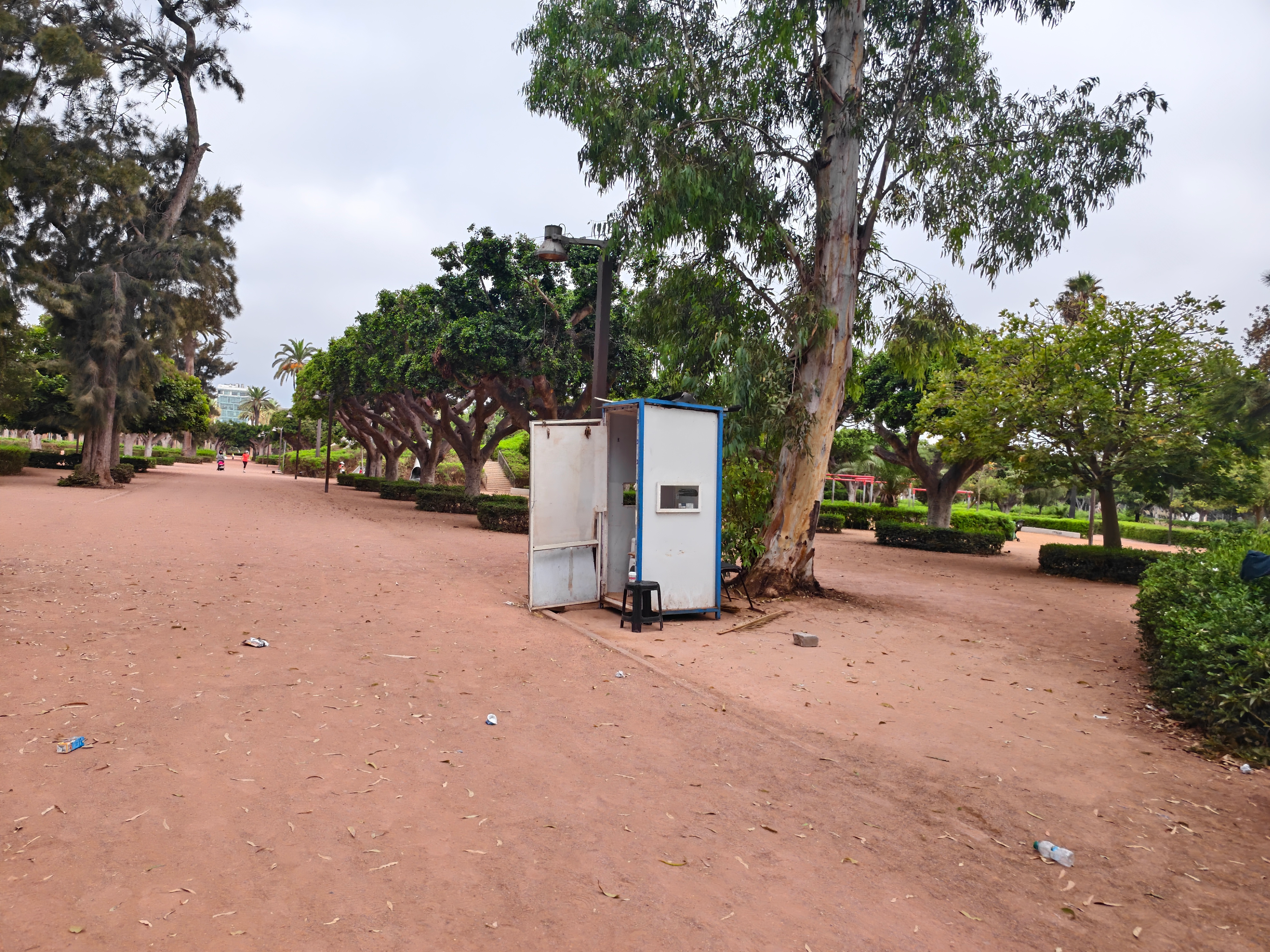
Why This Could Be Interesting for Morocco
Morocco is not one single construction market.
The needs of Casablanca are different from those of a remote area.
A hotel project has different requirements from worker accommodation.
A permanent residential development is different from a temporary construction camp.
But there are many situations where speed, cost control and construction efficiency matter.
For example:
·Worker accommodation
·Construction site offices and accommodation
·Tourist and hospitality projects
·Temporary housing
·Student accommodation
·Affordable housing projects
·Remote-area accommodation
·Small residential developments
In these situations, modular buildings can provide an alternative to traditional construction.
The biggest advantage is not necessarily that a modular house can solve every housing problem.
It is that some buildings can be produced and installed in a much more standardized way.

